This content was aggregated from local dealer data and insights provided by the USA Today Network Automotive Insights team using Google Gemini and the Vehicles For Sale Near West Palm Beach marketplace writing team.
For South Florida drivers who want SUV versatility without moving to a three-row vehicle, the Honda Passport occupies an interesting middle ground. The redesigned 2026 Passport seats five and combines a spacious two-row cabin with substantial cargo capacity, making it relevant for commuting, shopping, family trips, beach days, and weekend travel. Its standard V6 engine and all-wheel-drive system also give it capabilities beyond simply carrying passengers and groceries. For shoppers around Stuart and the greater West Palm Beach area, the key question is whether that combination of passenger room and cargo flexibility fits everyday life.
The Passport's basic formula is straightforward: instead of dedicating interior length to a third row, Honda uses its two-row layout to provide generous space for five passengers and their belongings. That makes the Passport particularly relevant to shoppers who like the footprint and versatility of a midsize SUV but do not regularly need seating for six, seven, or eight.
For the redesigned 2026 model, Honda lists up to approximately 104.6 cubic feet of cargo volume behind the first row, depending on configuration and how cargo capacity is measured. With the second row in use, there is still a large rear cargo area for groceries, luggage, sports equipment, beach supplies, or other daily gear. The rear seatbacks can be folded when carrying bulkier items, allowing the Passport to shift from passenger duty to cargo duty without requiring a separate utility vehicle.
That flexibility is central to the Passport's value proposition. A weekday might involve carrying adults or children around Stuart, while the weekend could require coolers, folding chairs, golf equipment, luggage, or outdoor gear. The two-row design means buyers do not have to permanently choose between a useful back seat and a practical cargo compartment.
The 2026 Passport also uses a 3.5-liter V6 producing 285 horsepower and 262 lb-ft of torque, paired with a 10-speed automatic transmission. Honda's second-generation i-VTM4 all-wheel-drive system is standard. Properly equipped, the Passport is rated to tow up to 5,000 pounds, adding another dimension to its utility for owners whose needs extend beyond what fits inside the cabin.
For 2026, the primary Passport lineup consists of RTL, TrailSport, and TrailSport Elite configurations, with Blackout versions adding appearance-focused equipment to selected trims. Equipment and manufacturer pricing can change, so shoppers should confirm the window sticker and current listing for the exact vehicle they are considering.
The RTL provides the core Passport experience and is the logical place to start for shoppers primarily interested in passenger space, cargo versatility, V6 power, and standard all-wheel drive.
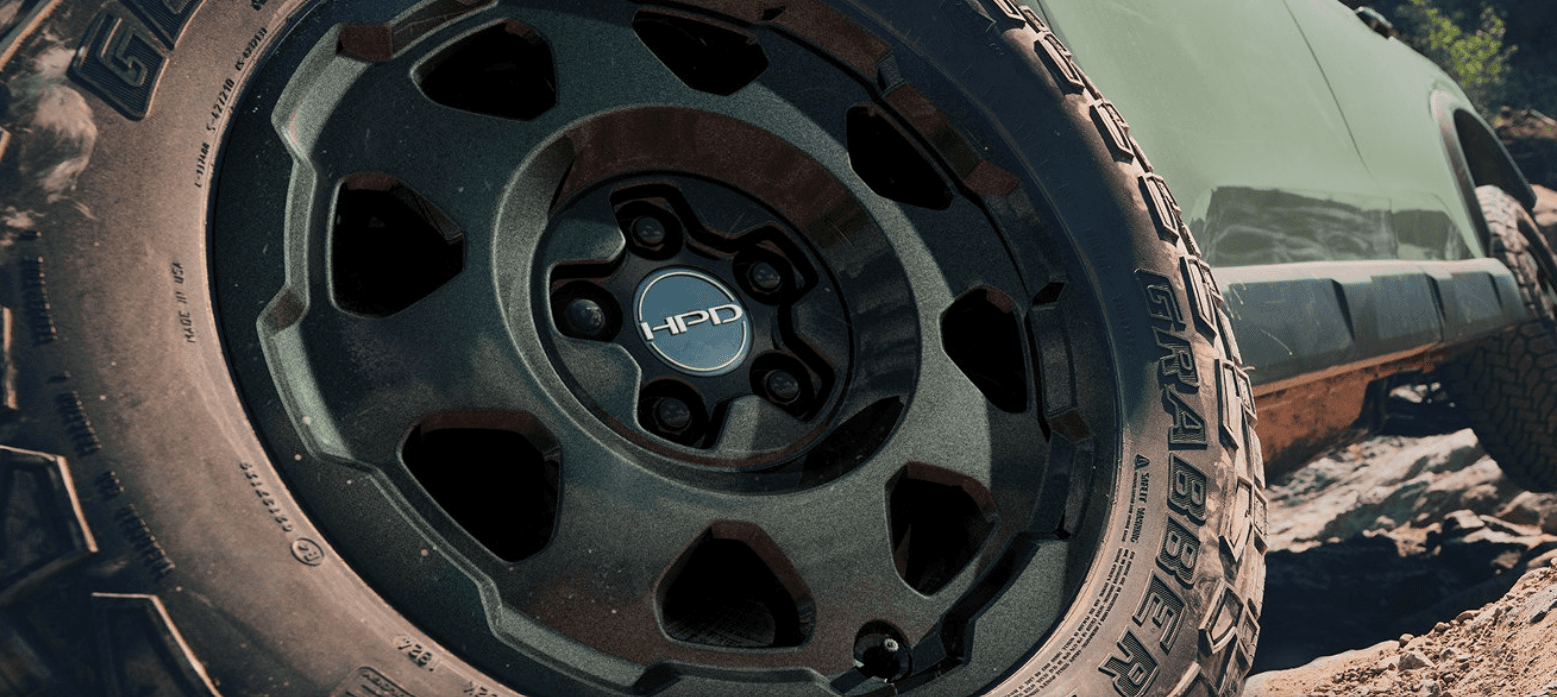
The TrailSport builds on that foundation with equipment intended for more adventurous use. Among its distinguishing features are all-terrain tires, additional underbody protection and an off-road-tuned suspension. These additions may appeal to drivers who regularly travel beyond paved streets or want a Passport configured with outdoor recreation in mind.
The TrailSport Elite adds more premium convenience and technology equipment to the TrailSport formula. It is aimed at buyers who want the Passport's more rugged configuration while placing additional emphasis on cabin amenities.
In other words, moving through the lineup does not fundamentally change the Passport's five-passenger, two-row mission. The decision is more about whether a buyer prioritizes the core package, extra trail-oriented hardware, or additional premium features.
Passenger comfort starts with usable space, and eliminating a third row gives the Passport an inherent advantage for people who rarely need one. Both rows are designed for adults rather than treating the second row as occasional seating.
That matters during longer South Florida drives. A trip from Stuart toward West Palm Beach is different from a five-minute errand, and adequate rear-seat space becomes more noticeable when passengers are aboard for an extended period. Families can also keep the rear seats available while using the dedicated cargo area rather than routinely folding seats just to accommodate normal shopping or luggage.
Technology is another part of everyday comfort. The redesigned 2026 Passport features a 10.2-inch digital instrument display and 12.3-inch center touchscreen, with wireless Apple CarPlay and Android Auto compatibility. Google built-in is also available as part of the vehicle's connected technology offering. These systems can make navigation, audio, calls, and compatible smartphone functions easier to access during everyday travel.
Honda also equips the Passport with the Honda Sensing suite of driver-assistance and safety technologies. Exact features and functionality should always be checked for the model year and vehicle in question, and driver-assistance technology remains supplemental rather than a substitute for attentive driving.
Florida's climate makes comfort equipment worth examining closely when comparing trims. Buyers who regularly park outside may place greater value on features that make a hot cabin more comfortable, while families may care more about charging access, storage areas, easy-clean surfaces, or rear-passenger conveniences. Looking beyond the headline specifications helps determine which Passport configuration offers meaningful value for a particular household.
Cargo usefulness involves more than a maximum cubic-foot figure. The shape of the cargo area, loading height, seat-folding arrangement and small-item storage can all affect how useful an SUV feels in practice.
The Passport's broad two-row layout makes it suitable for common errands without folding the rear seats. Grocery bags, luggage, strollers, sports bags and beach equipment can occupy the rear compartment while passengers retain both seating rows. Fold the rear seats, and the vehicle becomes substantially more accommodating for larger purchases or recreational equipment.
Honda has also incorporated practical storage solutions into the Passport, including useful cabin compartments and cargo-area organization features. Depending on trim and accessories, buyers can further tailor the rear area for specific activities.
That adaptability can be particularly useful in coastal Florida. A Passport may spend Monday carrying work bags and groceries, Saturday loaded with beach chairs and a cooler, and Sunday handling luggage for a longer trip. Its appeal is less about maximizing one narrowly defined capability than about accommodating several types of use without requiring major compromises.
The 5,000-pound maximum towing rating when properly equipped further expands those possibilities. Actual towing suitability depends on the trailer, cargo, passengers, hitch equipment, tongue weight and other operating conditions, so owners should follow the applicable Honda owner's manual and towing guidance rather than relying on the maximum rating alone.
A new Honda Passport is sized and equipped for a mix of suburban, highway and recreational driving. Around Stuart, that can mean short trips along local roads during the week followed by longer runs south toward Palm Beach County or elsewhere along Florida's Atlantic coast.
Standard all-wheel drive can distribute power between the front and rear axles and between the rear wheels as conditions demand. It should not be confused with immunity from hydroplaning or poor-weather risks, but the system gives the Passport additional traction-management capability when roads are wet or surfaces become less predictable. Appropriate tires, reduced speeds and sufficient following distance remain essential during Florida's heavy rain.
The naturally aspirated V6 is another defining Passport characteristic. Rather than using a small turbocharged engine, Honda retains six-cylinder power, with 285 horsepower available for highway merging, passing and carrying a full complement of passengers and cargo.
TrailSport models broaden the Passport's usefulness for buyers whose recreation occasionally takes them away from pavement. Their off-road-oriented hardware is not necessary for every Stuart commuter, however. A buyer who spends nearly all of the time on paved streets may find the RTL's core equipment more closely aligned with daily needs, while someone regularly heading to campsites, unpaved access roads or outdoor destinations may place more value on TrailSport equipment.
Fuel economy should also be considered in context. The Passport's V6, standard AWD, size and capability mean it is designed around a different set of priorities than a smaller crossover or hybrid-focused SUV. Shoppers comparing vehicles should look at current EPA estimates for the exact trim and model year and consider how their own mix of city and highway driving affects operating costs.
Rather than focusing only on trim names, Passport shoppers can compare the equipment that affects their actual routine. Consider how often all five seats will be occupied, how much cargo is normally carried with the second row upright, whether the vehicle will tow, and whether TrailSport's off-road-oriented hardware would see regular use.
Pricing should be evaluated the same way. Manufacturer suggested retail prices establish the general hierarchy between Passport trims, but MSRP, destination charges, accessories, dealer pricing, taxes, registration fees and incentives are separate considerations and can change. Checking the actual vehicle listing and window sticker provides a more useful comparison than relying on a generalized price quoted in an article.
For many buyers, the most important value question is therefore not simply, "Which Passport has the most equipment?" It is, "Which Passport includes the equipment I will actually use?"
The Passport seats five in two rows and leaves a substantial cargo area available behind the rear passengers. That layout can work well for households that need room for adults or children plus groceries, luggage, sports equipment or beach gear but do not need a third seating row. Families needing six or more seats should instead compare three-row alternatives.
Honda lists up to approximately 104.6 cubic feet of cargo volume behind the first row in the redesigned 2026 Passport, depending on configuration and measurement method. More important for everyday use, the Passport maintains a useful cargo compartment with the second row occupied, allowing passengers and routine luggage or shopping to travel together.
Both share the Passport's basic five-passenger layout, 3.5-liter V6, 10-speed automatic transmission and standard all-wheel-drive architecture. TrailSport adds hardware aimed at more adventurous driving, including all-terrain tires, off-road-tuned suspension and additional underbody protection. Buyers who primarily drive paved roads should compare whether those additions provide meaningful value for their actual use.
The 2026 Passport is rated to tow up to 5,000 pounds when properly equipped. The safe amount for a particular trip can be lower once trailer configuration, passengers, cargo, accessories and tongue weight are considered. Owners should use Honda's official towing instructions and weight limits for their exact vehicle before connecting a trailer.
The Passport's standard i-VTM4 all-wheel-drive system can actively distribute torque to help manage traction, which can be useful when road conditions vary. AWD does not prevent hydroplaning and cannot overcome tire or braking limits. During Stuart and West Palm Beach-area downpours, suitable tires, slower speeds, increased following distance and attentive driving remain essential.
The Honda Passport's combination of five-passenger accommodation, flexible cargo capacity, standard all-wheel drive and V6 power makes it worth considering for shoppers who want more utility than a compact crossover without committing to a three-row SUV.
Ready to compare vehicles and configurations? Browse Honda Passport for sale near West Palm Beach, FL to review current marketplace listings, specifications, and available configurations.
For dealership information and additional shopping resources, visit the marketplace profile for Johnson Honda of Stuart.
Written for http://vehiclesforsalenearwestpalmbeach.com/
By the USA TODAY Network Automotive Insights Team, in collaboration with Johnson Honda of Stuart and the Vehicles For Sale Near West Palm Beach - The Palm Beach Post.
Disclaimer: This article's content is intended for informational purposes only. Vehicle specifications and features are based on data provided by J.D. Power and local dealerships and may vary by individual vehicle, VIN, trim, configuration, packages, and optional equipment. Vehicle images may not depict the exact model, trim, features, packages, accessories, or specifications described. Vehicle pricing, availability, features, and specifications are subject to change without notice. Please reference the dealership's vehicle listing and window sticker or consult the dealership directly for complete and accurate details.